A fence is one of the hardest-working parts of your property. It faces the full force of every season — summer UV, winter freeze-thaw cycles, heavy rain, and wind — year after year. The good news is that with a little routine care, most fences will last decades and look great doing it.
This guide breaks down maintenance tips by material so you know exactly what your fence needs — whether it’s PVC, chain-link, aluminum, wood, or iron.
PVC / Vinyl Fencing
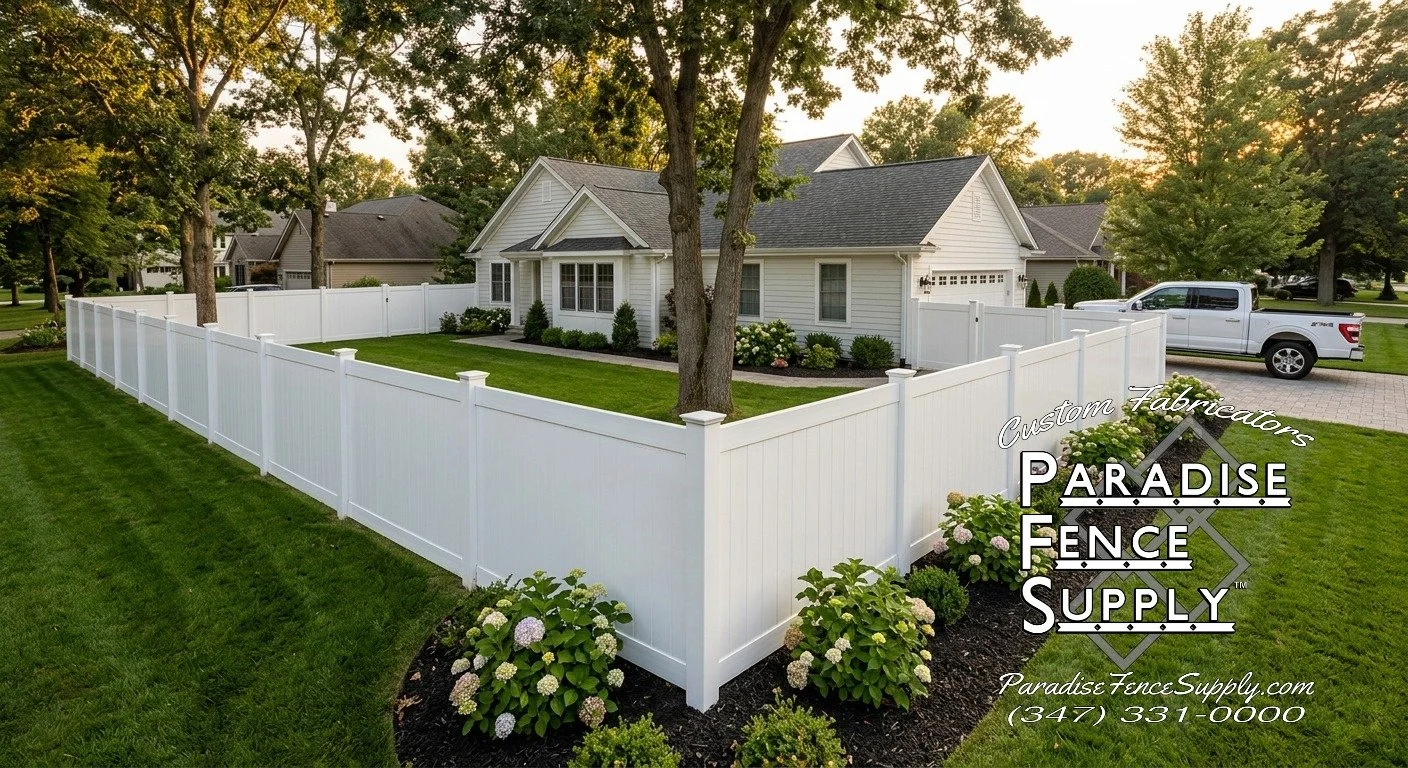
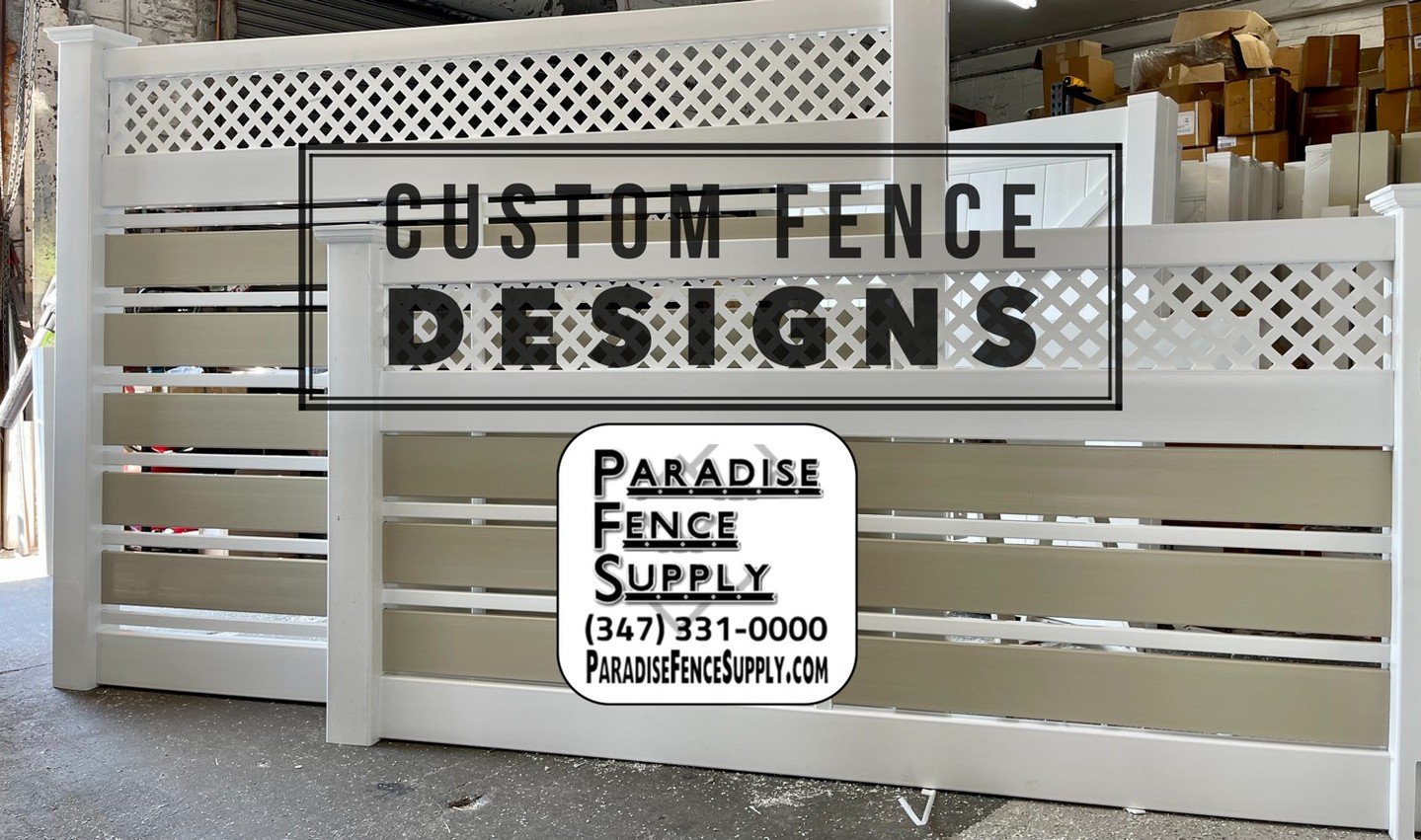
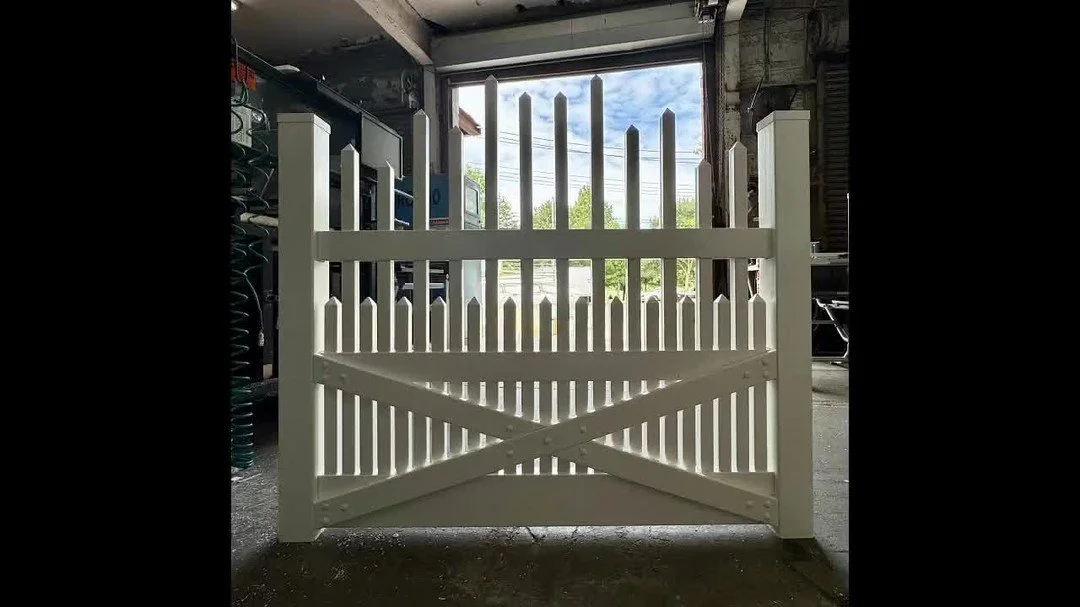
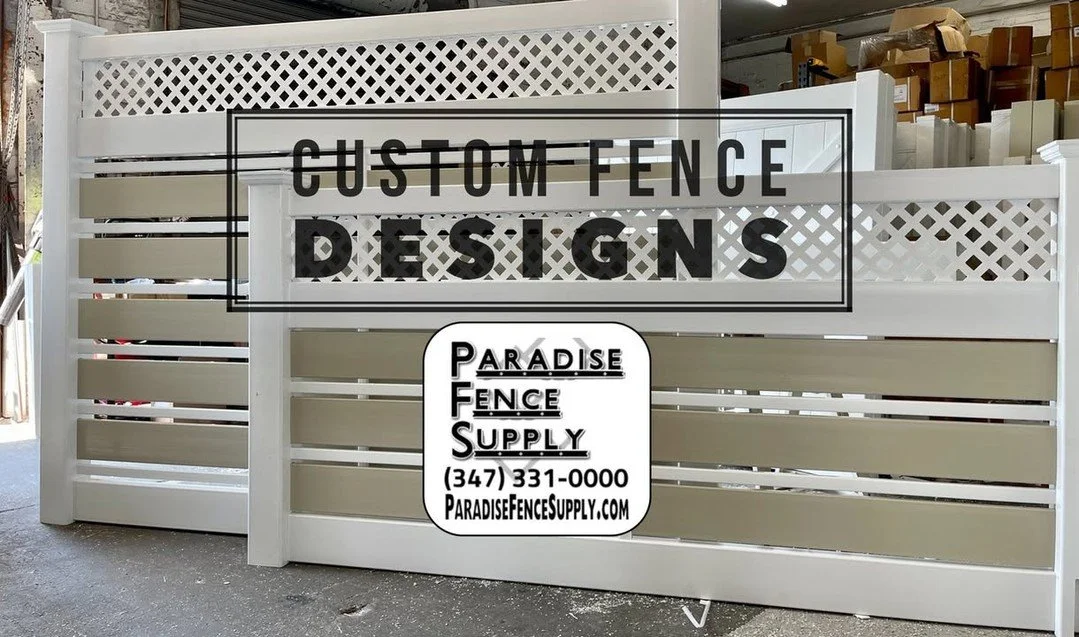
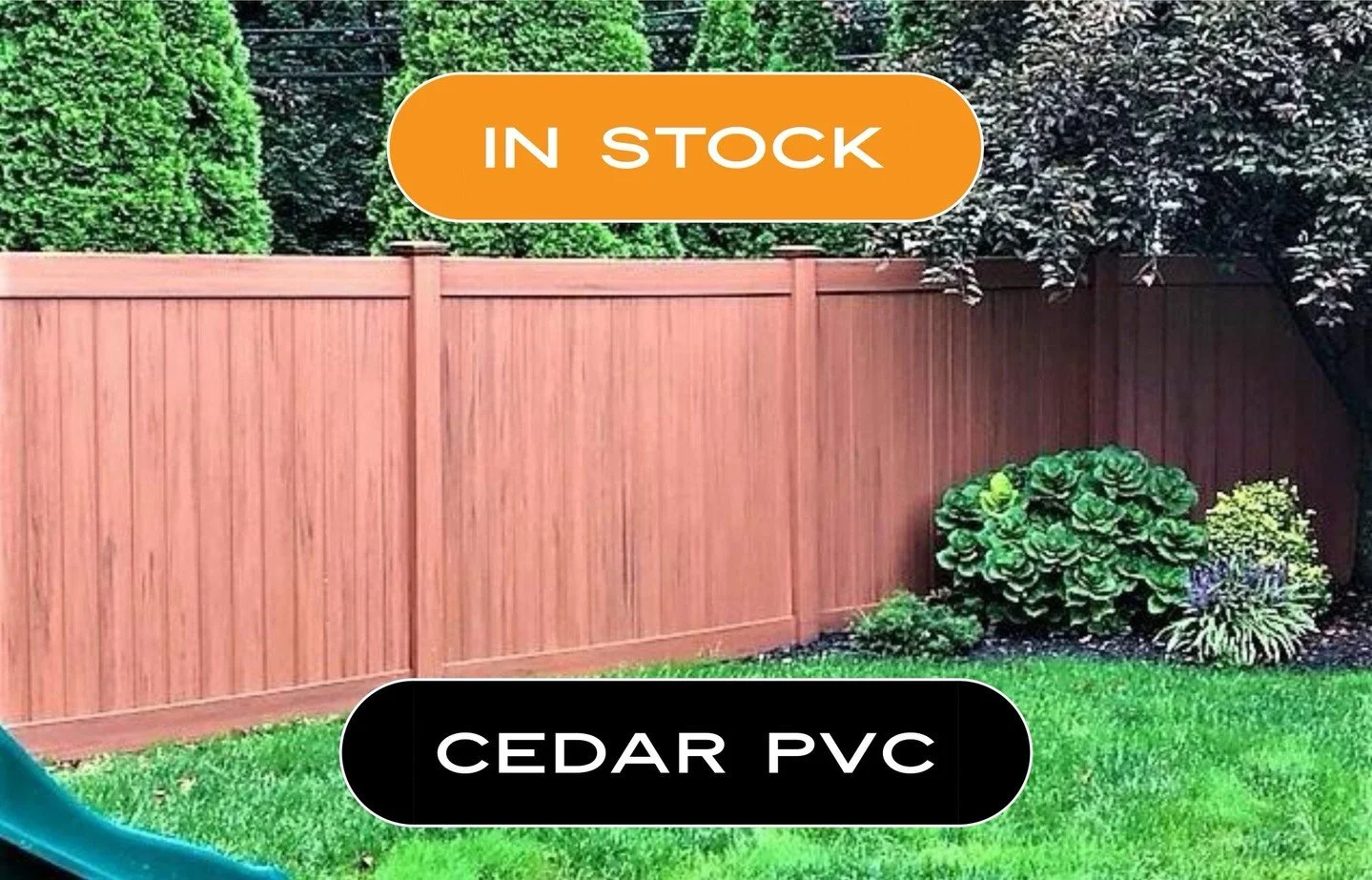
PVC is the lowest-maintenance fencing material available — and that’s one of the biggest reasons it’s so popular. It doesn’t rot, rust, or splinter, and it holds its color well over time. That said, it’s not entirely care-free.
What to do: Wash your PVC fence once or twice a year with a garden hose and mild soap. For stubborn stains like mold or mildew — common in humid New York summers — a soft brush and a diluted bleach solution (1 part bleach to 10 parts water) works well. Rinse thoroughly afterward. Avoid abrasive scrubbers, which can scratch the surface and trap future dirt more easily.
Also check the post caps and rails periodically. PVC panels are typically locked into aluminum or steel inserts — if a cap comes loose, moisture can get inside and cause damage from the inside out. A quick visual inspection each spring takes about five minutes and can save you a costly repair.
2. Chain-Link Fencing
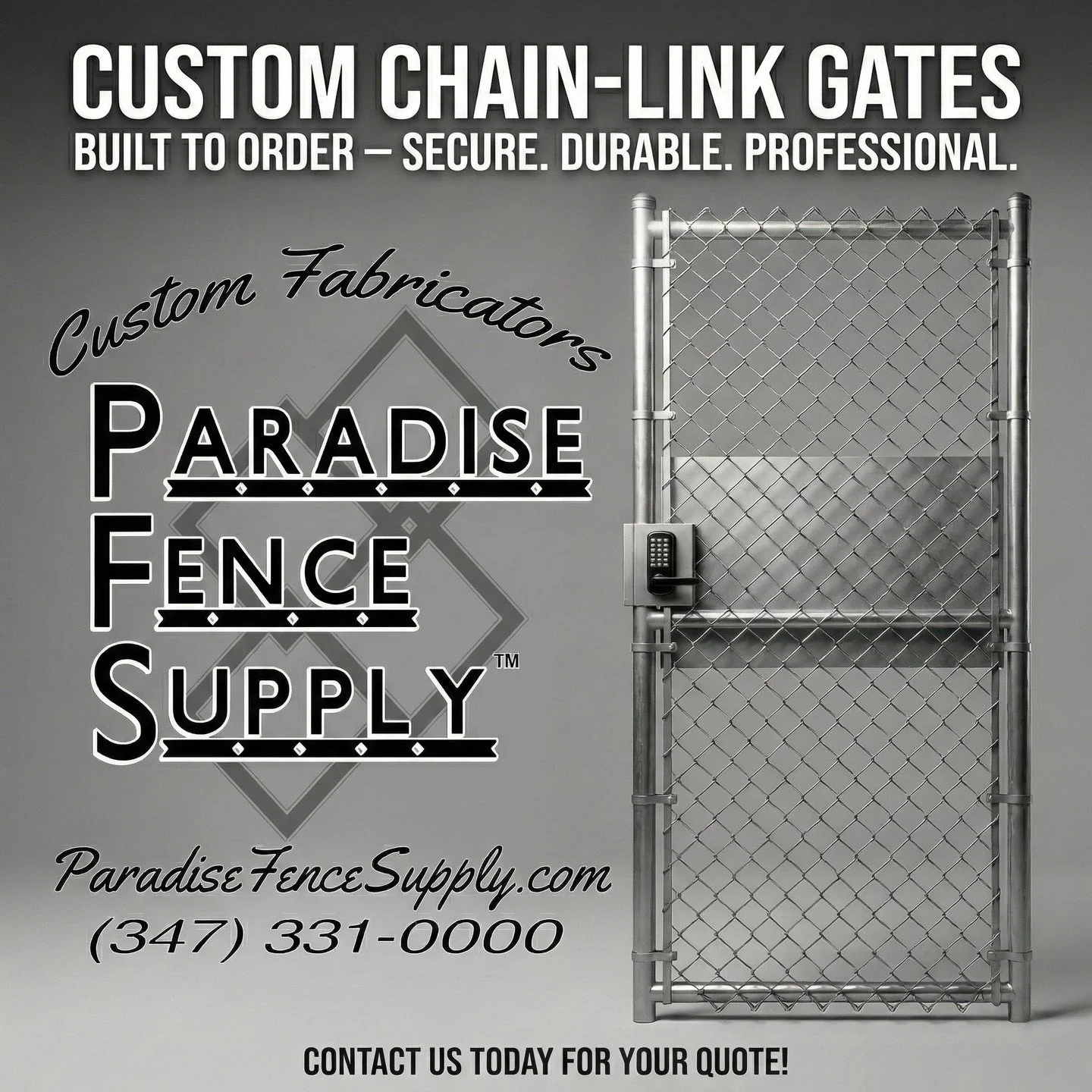
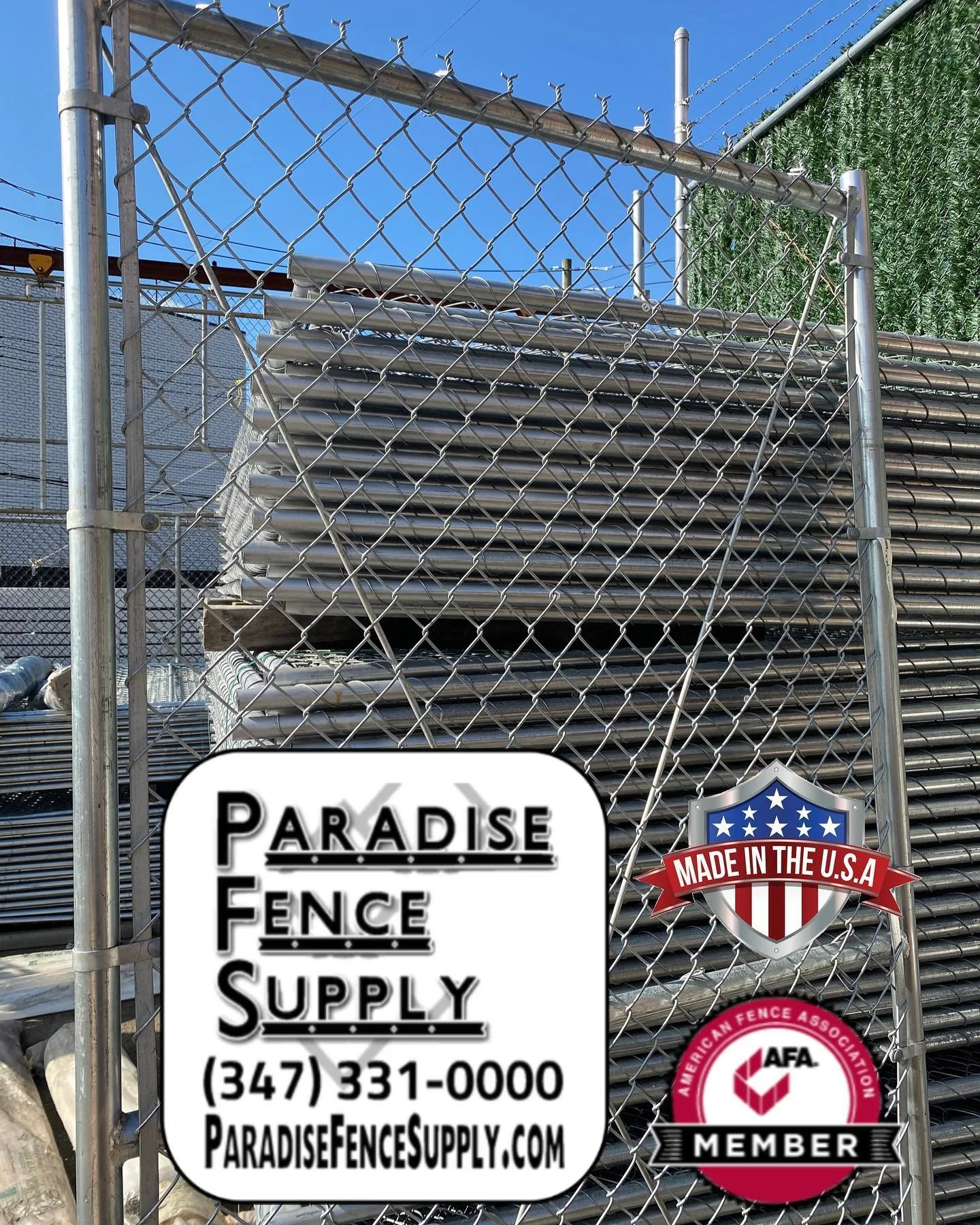
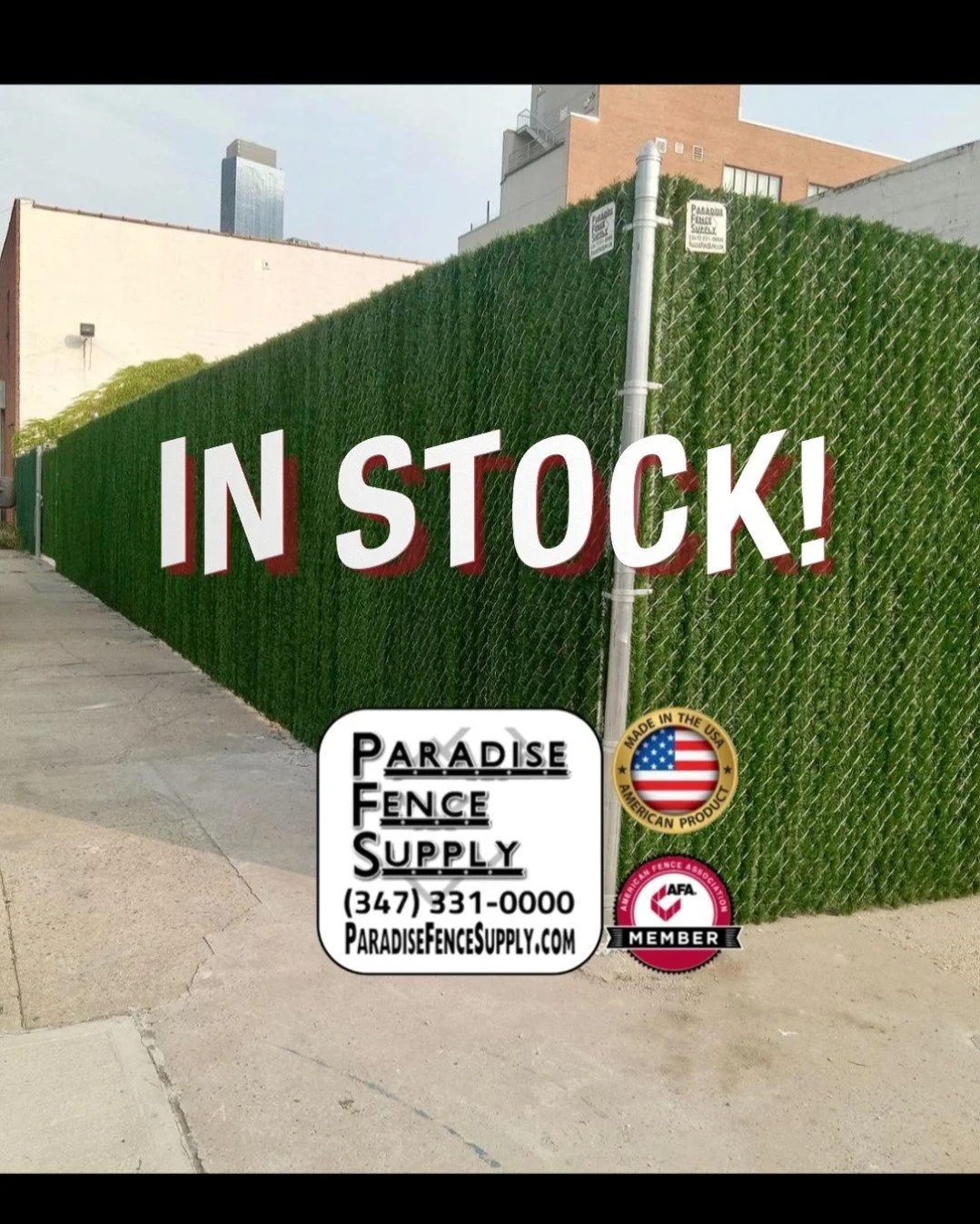
Chain-link is tough, economical, and widely used for everything from residential backyards to commercial properties and industrial sites. Galvanized chain-link is rust-resistant, but it’s not rust-proof — especially at cut edges, damaged areas, or where the coating has worn thin.
What to do: Inspect the fence at least once a year, focusing on the bottom of the posts (where moisture collects) and any areas where the chain-link has been cut or bent. If you spot rust forming, treat it promptly: wire brush the area, apply a rust-inhibiting primer, and touch up with rust-resistant paint or a galvanizing spray. Small repairs done early prevent large replacements later.
Also keep vegetation trimmed away from the fence. Vines, ivy, and weeds that grow through chain-link trap moisture against the metal and accelerate corrosion. A quick trim a few times per season makes a real difference in how long the fence lasts.
3. Aluminum Fencing
Aluminum fencing is one of the most durable options on the market. It doesn’t rust (aluminum oxidizes but forms a protective layer rather than flaking like iron rust), and it holds paint and powder-coat finishes extremely well. Its main vulnerability is physical impact — a car, a falling tree limb, or heavy equipment can bend or crack an aluminum picket.
What to do: Rinse aluminum fencing with water a couple of times per year to remove salt, dirt, and debris — especially important if you’re near a road that gets salted in winter. Check for any bent or broken pickets after storms. Most aluminum fence systems are modular, meaning individual sections or pickets can be replaced without pulling out the entire fence. Touch up any chips in the finish with a matching paint pen to prevent oxidation from taking hold at bare spots.
4. Wood Fencing
Wood is the most high-maintenance fencing material, but also the most classic-looking — and for many homeowners, the investment in upkeep is well worth the aesthetic. Left untreated, wood will warp, crack, rot, and fade within a few years. Treated properly, a quality wood fence can last 20 years or more.
What to do: Stain or seal your wood fence every 2–3 years. This is the single most important thing you can do. A good penetrating stain protects against moisture absorption, UV fading, and fungal growth. Before applying, clean the fence thoroughly and let it dry completely. Pressure washing is fine, but use a low setting to avoid splintering the wood.
Check posts first. The bottom of fence posts — especially those set in concrete — are the most vulnerable to rot, because water pools at the base. If a post feels soft or spongy when you press on it, it’s starting to rot from within. Replace those posts sooner rather than later; a rotting post compromises the structural integrity of the entire fence panel attached to it.
5. Iron / Ornamental Steel Fencing
Iron and ornamental steel fencing makes a bold, permanent statement — but it demands consistent attention to prevent rust. Iron is inherently prone to oxidation, and once rust takes hold it spreads quickly if left alone. The key is to maintain the protective coating before rust ever starts.
What to do: Inspect your iron fence annually and address any rust spots immediately. Use a wire brush or sandpaper to remove the rust down to bare metal, apply a rust-inhibiting primer, and then repaint with a high-quality exterior metal paint. For large fences or detailed ornamental work, powder coating is the superior Do an annual walk-around inspection every spring. Look for loose hardware, leaning posts, damaged panels, rust, rot, and anything that looks out of place.
Check gates and hardware. Hinges, latches, and bolts take a lot of abuse. Tighten any loose fasteners, lubricate hinges with a rust-inhibiting oil, and replace any hardware that’s visibly corroded or broken.
Keep the fence line clear. Shrubs, mulch, and soil piled against the base of a fence retain moisture and invite rot, rust, and insect damage. Keep a few inches of clearance between the fence and any landscaping.
Address damage quickly. Small problems become big ones fast, especially through a New York winter. Fixing issues promptly always costs less than replacing a full fence section later.
Also check the joints and welds — these are typically where rust begins first, because the protective coating can crack under stress at connection points. A dab of rust-preventive paint or clear sealant on the joints each year goes a long way.
Universal Maintenance Tips (All Fence Types)
No matter what your fence is made of, these habits apply across the board:
Do an annual walk-around inspection every spring. Look for loose hardware, leaning posts, damaged panels, rust, rot, and anything that looks out of place.
Check gates and hardware. Hinges, latches, and bolts take a lot of abuse. Tighten any loose fasteners, lubricate hinges with a rust-inhibiting oil, and replace any hardware that’s visibly corroded or broken.
Keep the fence line clear. Shrubs, mulch, and soil piled against the base of a fence retain moisture and invite rot, rust, and insect damage. Keep a few inches of clearance between the fence and any landscaping.
Address damage quickly. Small problems become big ones fast, especially through a New York winter. Fixing issues promptly always costs less than replacing a full fence section later.
Need Materials or Maintenance Help? We’ve Got You.
At Paradise Fence Supply, we carry everything you need for fence installation, repairs, and maintenance — from replacement panels and posts to gates, hardware, and finishing materials. Our team has hands-on installation experience, so when you come in with a problem, you’re talking to someone who has actually been there.
We also offer professional powder coating services in-house — ideal for refreshing or protecting iron, steel, chain-link, and custom metal fabrications. Stop by our showroom at 153-02 Baisley Blvd., Jamaica, NY 11434, call us at (347) 331-0000, or visit ParadiseFenceSupply.com to get a quote.